Grief, Loss & Spiritual Connection
Navigating the evolving status of relationships after death.
Navigating Life After Loss
Losing someone you love can change your world in ways that reach far beyond grief itself.
You may miss them deeply. You may feel anger, guilt, relief, longing or regret. You may find yourself questioning things you thought you understood about your family, your relationships or even yourself.
You may also still feel connected to the person who has died.
You may dream about them. Feel their presence. Think of them at unexpected moments. Experience a sense of reassurance, guidance or connection that is difficult to put into words.
Whatever your experience, my sessions offer a safe place to explore it.
Grief is More than Letting Go
There is often an assumption that healing means accepting that someone is gone, letting go and eventually moving on.
But love doesn't necessarily work that way.
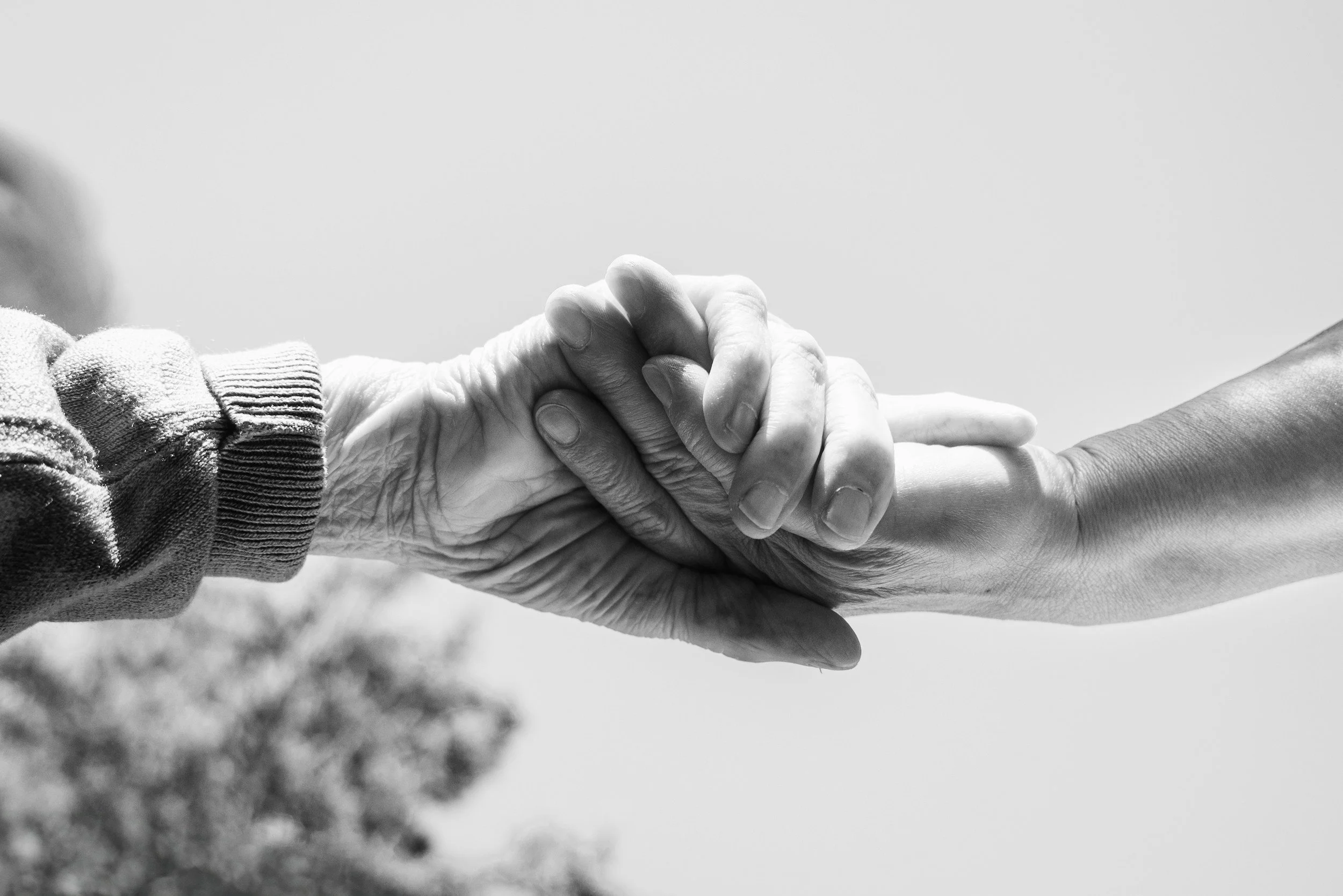
When someone dies, the physical relationship changes. The relationship itself doesn't have to disappear.
You may continue to love them, remember them, speak to them internally, carry aspects of them with you or feel connected to them in ways that are difficult to explain.
For some people, the relationship becomes easier.
For others, it becomes more meaningful.
And for everyone it gets an opportunity to become more authentic.
Evolving Bonds
Death changes the conditions of a relationship. The person is no longer physically here, and you can no longer relate to them in quite the same way.
But your relationship with them can continue to evolve.
Perhaps you begin to understand them differently.
Perhaps you finally allow yourself to acknowledge feelings that weren't safe or possible to express when they were alive.
You might find that anger gives way to compassion.
Or that you feel a sense of relief that the person is no longer here.
You may have been inseperable in life and feel uncertain how to do life without them.
Or you may carry guilt, that perhaps you didn’t do enough, say enough or be enough while they were here.
And sometimes, the relationship that was difficult, complicated or unfinished in life can become more peaceful after death.
Because you get an opportunity to meet each other in a new way, without the tension or constraints of shared history. Your bond evolves into something deeper, wiser and more loving than before.
When Spiritual Connection Is Part of the Experience
You may feel the presence of someone who has died.
You may dream of them in a way that feels different from an ordinary dream.
You may receive a message, a knowing, a feeling or a moment of connection that arrives with a clarity you can’t explain.

Perhaps you have experienced something you feel was more than coincidence.
Perhaps you've felt your loved one beside you.
Perhaps you have sensed that they are still communicting with you in some way.
Perhaps your relationship can become something new. No longer bound by the pressures, responsibilities or beliefs that shaped your human interactions. It can evolve into a soul based connection, supportive, loving and available for the type of love you always needed.
What if the Relationship was Complicated?
Grief isn't always simple when the person who died wasn't simply someone you loved.
They may also have been someone who hurt you.
A parent who couldn't give you what you needed.
A partner with whom the relationship was complicated.
Someone you resented.
Someone you felt responsible for.
Someone you never had the chance to reconcile with.
You may be grieving the person, the relationship you actually had, and the relationship you wished you could have had.
Sometimes all three exist at once.
You don't have to turn someone into a good person in order to grieve them.
You don't have to forgive before you're ready.
You don't have to deny the anger in order to honour the love.
Healing can make room for the whole relationship.
When Loss Brings Old Wounds Back to the Surface

The death of someone significant can activate much more than grief.
Losing a parent can bring you back into contact with the child you once were.
Losing a partner can awaken attachment wounds, fears of abandonment or questions about who you are without them.

This is where grief work and inner child healing, attachment work and self-worth work, meet.
We don't have to separate the grief from the rest of your story.
A complicated loss can bring guilt, people-pleasing, resentment or old family patterns sharply into focus.
Sometimes the death of someone else reveals something in you that is ready to be healed.

How Can Holistic Counselling Help?
-
Self-Discovery
Reveal underlying thoughts, wounds and behaviours that are fuelling your grief.
-
Open Your Heart
Connect with the realm of possibility and listen to what your heart is telling you.
-
Seperate Grief from Abandonment
Understand how your attachment wounds are influencing your experience of loss.
-
Reduce Stress and Anxiety
Access tools for coping with the path ahead, and strategies to reduce stress and anxiety.
-
Evolving Bonds
Explore the way your relationship has changed since your loved one passed. New understanding brings healing.
-
Find Peace and Acceptance
Clear fear based blocks, allowing you to find peace in your new reality.
Whether your loss is recent or happened many years ago, there is no particular timeline for healing.
You may be struggling with the grief itself.
You may be trying to make sense of a complicated relationship.
You may feel that the loss has reopened childhood wounds or perhaps sense of identity has shifted.
Holistic counselling creates space for all of this.
We can work with the emotional and psychological layers of your experience alongside the spiritual dimension that may already be part of how you understand your life and your relationships.
There is no requirement to have everything figured out.
There is no requirement to let go.
There is an invitation to explore what this relationship has become, what it still means to you, and what may be ready to heal.
You Don't Have to Navigate it Alone
How We Might Work Together
-
✧
Explore grief and the many emotions that accompany it
-
☾
Navigate childhood wounds that have been reactivated by loss
-
✧
Look at guilt, anger, resentment or regret
-
☾
Share dreams, intuitive experiences or a sense of spiritual connection
-
✧
Find a more peaceful way to relate to someone who has died
-
☾
Discover what you want to carry forward and what you are ready to leave behind
FAQs
-
Yes. Losing someone significant can reactivate childhood wounds, attachment trauma and unresolved feelings, particularly when the person who died was a parent or someone connected to your early experiences.
-
Yes. A relationship can change profoundly after death without disappearing. You may continue to love them, remember them, speak to them internally, dream about them or experience a sense of connection. The relationship may evolve as you heal.
-
It’s quite common to maintain a connection with a past over loved one. Often we are able to commuicate with them more easily in death than in life. Holistic Counsellng can help you make sense of what you are experiencing.
-
Sometimes the relationship can evolve after death. You may find new ways of understanding what happened, release responsibilities that were never yours to carry, or develop a more peaceful relationship with the person internally or spiritually.
-
Absolutely. Love, anger, grief, relief, resentment and compassion can exist together. Healing doesn't require you to rewrite the relationship or pretend that painful things didn't happen.
1:1 Holistic Counselling (90 Mins)
$205 AUD
Or, if you already know you would like deeper support, you can explore Holistic Counselling.
Begin Your Healing
Breakthrough Session (45 minutes)
$120 AUD
Explore what is happening for you and whether working together feels like the right fit.